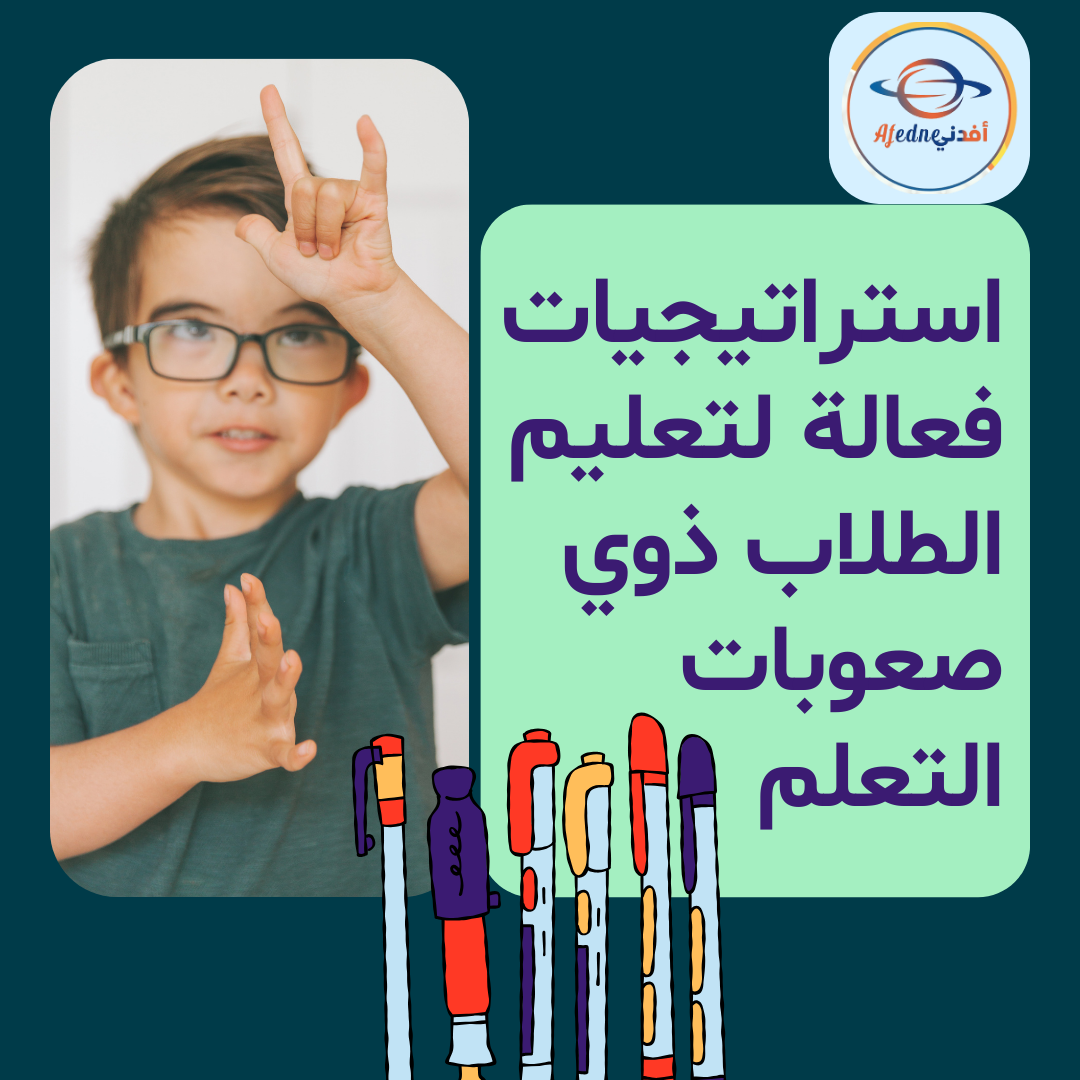
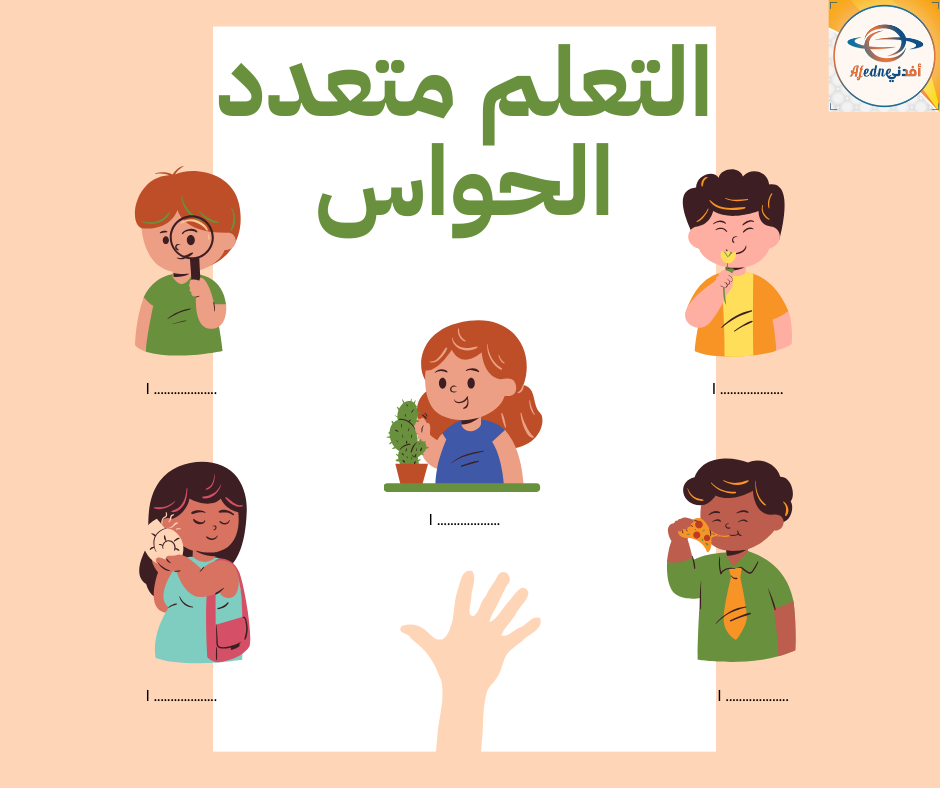
Multisensory learning
Multisensory learning is an educational approach that relies on using more than one sense in the learning process, such as hearing, sight, touch, and even smell and taste in some cases. This aims to facilitate information absorption and interaction with learning materials through the engagement of different senses.
What is multisensory learning?
Multisensory learning is based on the idea that it works best when more than one sense is engaged during the learning process. Instead of relying solely on sight or hearing, multisensory reading integrates different senses with the learning content. For example:
Reading text (visual) while listening to an audio recording (auditory).
Using three-dimensional or tactile associations.
It also includes activities like drawing or writing.
Benefits of Multisensory Learning:
1. Creates Multiple Pathways: By using different senses, it creates additional neural pathways, similar to "fast lanes" for hiding information, making it easier to retrieve. This enhances the learner's ability to understand information and makes it easier to practice repeatedly.
2. Connects Reality: Linking new abstract concepts to concrete, real-world experiences makes learning more meaningful.
3. Supports Learners with Diverse Needs: This type of learning is particularly beneficial for children with learning difficulties, reinforcing concepts through multiple channels. Examples of Multisensory Learning for Children
4. Increases Engagement and Participation: Involving the senses makes learning more enjoyable and motivating, increasing learner engagement and success in achieving learning outcomes.
5. Enhances Long-Term Memory: When learning is enhanced by using multiple senses, it becomes easier to recall preferred information.
6. Reduces Boredom: Variety in activities and methods makes learning enjoyable and reduces feelings of routine or boredom.
Examples of Multisensory Learning Applications:
In Language Learning:
Reading texts aloud while looking at them Words.
Use word cards with pictures and represent meanings with gestures.
In Science:
Conduct only specialized scientific experiments.
Use three-dimensional connections to understand the structure of atoms or body systems.
In Mathematics:
Use hands-on tools such as cubes to illustrate mathematical operations.
Combine theoretical explanations, problem-solving, and paper-based applications with interactivity.
How can teachers implement multisensory learning?
Diverse design: Integrate auditory, visual, and kinesthetic connections, such as watching educational videos, taking notes during lectures, and interpreting them in different ways.
Using technology: Augmented reality (AR) and virtual reality (VR) applications provide multisensory experiences through transformation.
Project-based learning: Implement requirements that demand students research, experiment, and interact with learning materials using their different senses.
Multisensory learning and special needs
Multisensory learning is very effective globally for some special needs, as it helps to:
Empower students with learning difficulties (such as dyslexia).
Address the number of challenges students face. Those who prefer or find traditional learning easy.
بحث
أحدث المقالات
Classroom Management and Smart Communication: The Key to a S
Classroom management and effective communicat
2026-Feb-03
Multisensory learning
Multisensory learning is an educational a
2025-Dec-13

Smart Search: How to Find Reliable Resources for Your Lesson
Smart Search: How to Find Reliable Resource
2025-Nov-25
_1d119f43981f9c2d37fd4023dab43506.png)
How can you use artificial intelligence in lesson planning?
How to Use Artificial Intelligence in Lesso
2025-Nov-23